
背景
遇到的场景是:客户从PDF粘贴一段文字到搜索框,内容是工时规范四个中文字,发现搜不出结果,但是自己手动敲击文字则是正常。请求如下:
1 | https://xxx?name=%E5%B7%A5%E6%97%B6%E8%A7%84%E8%8C%83 |
以上链接是URL编码后的结果。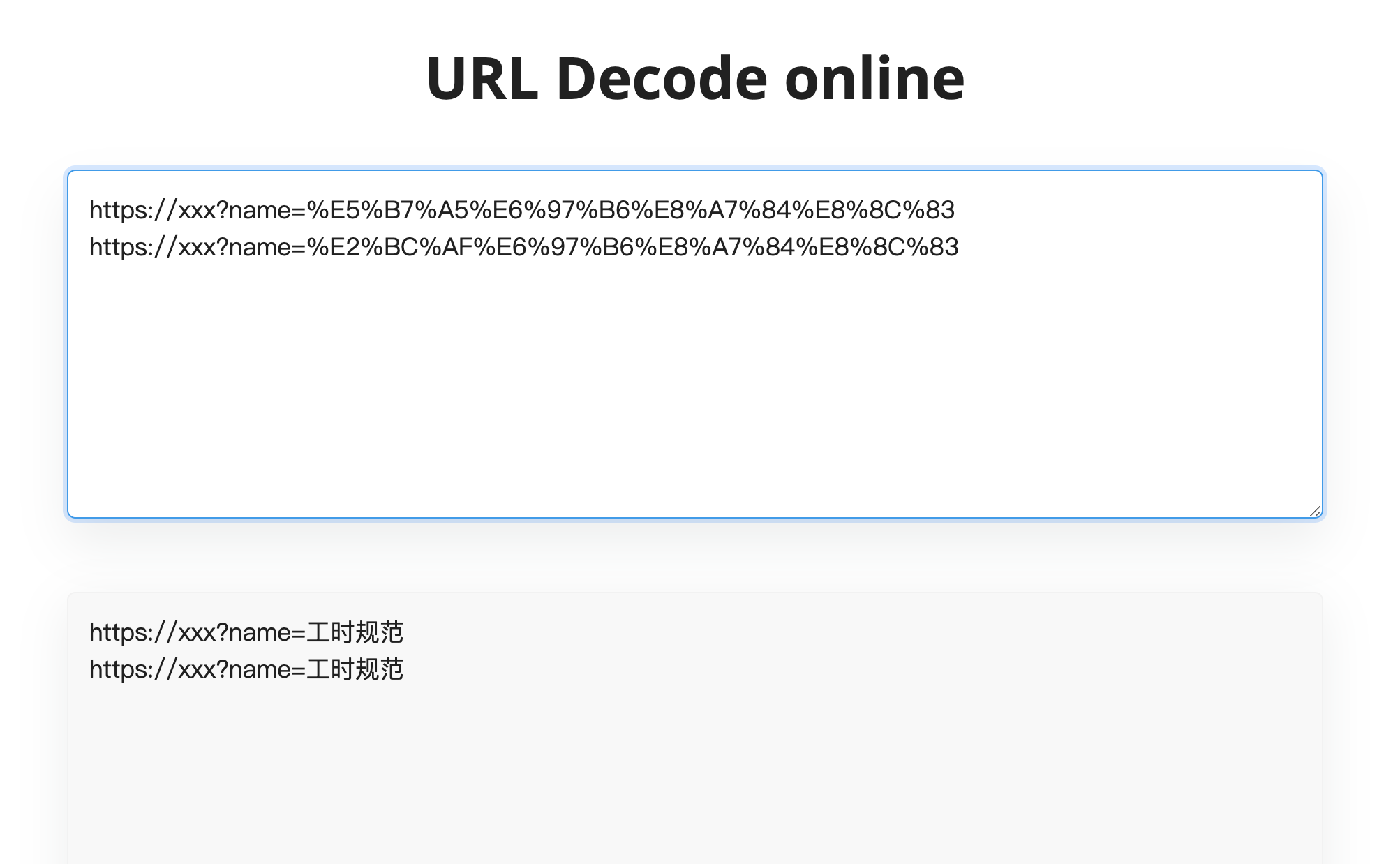
对比得知两者区别在于编码是不一样的,但展示结果看起来是一致的。URL编码是16进制的,区别只有前面几个编码不同,也就是工字。
- E5B7A5
- E2BCAF
排查思路
遇到的第一个问题是,为什么不同的编码会出现一样的字?
通常URL编码对应的是UTF8编码格式,可从encode_utf8 网站检索如下。
| 字符 | 编码10进制 | 编码16进制 | Unicode编码10进制 | Unicode编码16进制 |
|---|---|---|---|---|
| 工 | 15054757 | E5B7A5 | 24037 | 5DE5 |
| ⼯ | 14859439 | E2BCAF | 12079 | 2F2F |
对于编码来讲,我的理解就是一组kv集合,key就是编码,v就是值。无论是UTF8还是unicode都是一样的,只是两者范围和大小上有所不同。
通过symbl可以通过unicode编码获取对应的字符是什么,也就是get(k)。
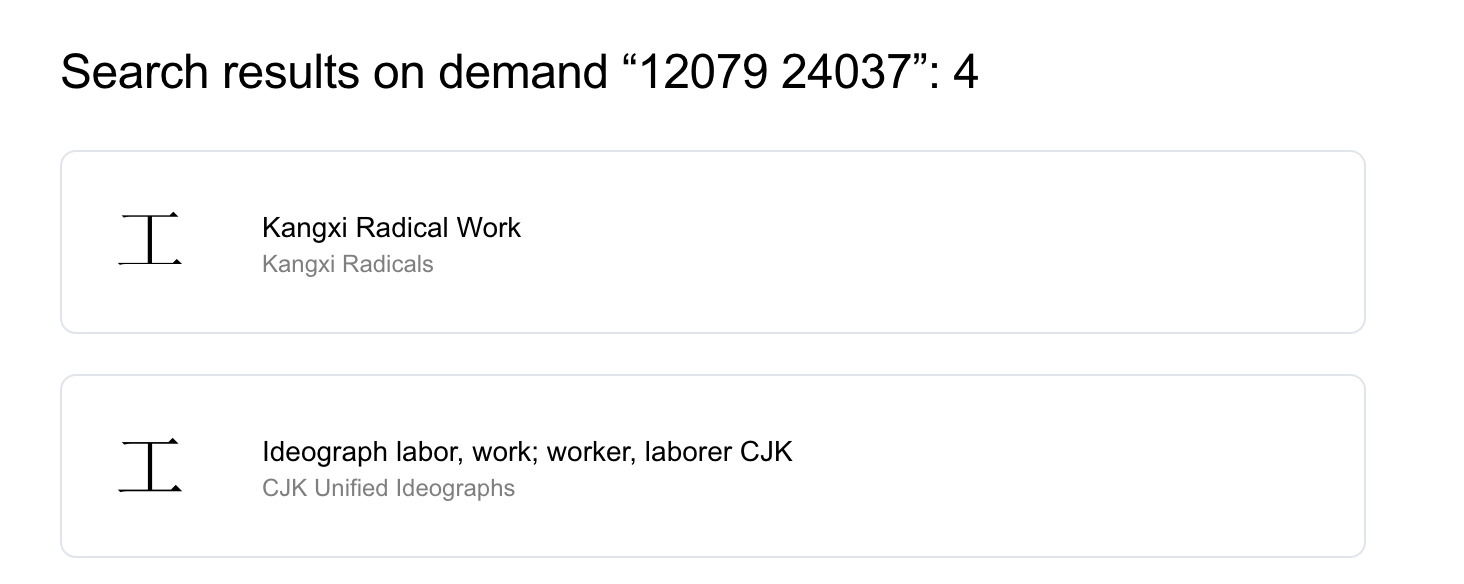
可以看到两者的归属是不一样的:
- Kangxi Radicals: 康熙部首
- CJK Unified Ideographs: 中日韩统一表意文字
也就是说,两个工字都是中文,只是一个是部首偏旁,另外一个我们正常使用的汉字。
目前有使用ChatGPT辅助我查找问题,当我扔上面两个字符给到ChatGPT时,它告诉我们区别在于是否是全角和半角,于是我开始搜索全角和半角的区别。但显然并不是这个原因,也就是说ChatGPT在回答这种问题时,是会误导用户的。
思路
得知问题所在后,就是开始找解决方案了。检索发现unicode是提供 normalization 功能的。我理解解决的就是兼容性的问题,比如两个长得很像字符,不只是中文,其他语言也有类似的问题。在计算机的世界里面,这两者的编码不同,但在人类世界中可能是一致的。
1 | >>> s1 = 'Spicy Jalape\u00f1o' |
对应Java代码也很简单
1 | Normalizer.normalize(argStr, Normalizer.Form.NFKC); |
基本解决方案有了,但如何集成到工程当中呢。工程使用的SpringBoot, Web使用的是Spring MVC。问题是如何把这段逻辑放在工厂中,最简单的方案就是哪个字段有问题就转一下就可以,这样做的问题就是改的多了就是多处存在相同的代码片段。类似这种统一处理的问题,在Spring中最明显就是AOP方案。做一个切面,获取到所有的参数都做一遍规范化处理。这样做当然可以,只是过于简单粗暴了,笔者在想有没有更优雅的方案。
那么需要先回答一个问题:Spring是如何帮我们自动把URL编码转成文本的?其实这里应该有两个过程:
- URL编码的二进制流转成文本
- 文本绑定到方法的参数上
在Spring MVC中,实际做这件事的是HandlerMethodArgumentResolver,这个接口有大量的默认实现去解析不同场景下的参数。
例如RequestMappingHandlerAdapter#getDefaultArgumentResolvers()
1 | private List<HandlerMethodArgumentResolver> getDefaultArgumentResolvers() { |
HandlerMethodArgumentResolver 提供两个方法:
- 判断是否支持该解析器,返回值是boolean
- 实际用来解析的方法,返回的是Object,也就是解析后的值
1
2
3
4
5
6
7
8
9
10
11
12
13
14
15
16
17
18
19
20
21
22
23
24
25
26
27
28
29
30
31
32
33
34
35
36
37
38
39
40
41
42
43
44
45
46
47
48
49
50
51
52
53
54
55
56
57
58
59
60
61
62
63
64
65
66
67
68
69
70
71
72
73
74
75
76
77
78
79
80
81
82
83
84
85
86
87
88
89
90
91
92public interface HandlerMethodArgumentResolver {
/**
* Whether the given {@linkplain MethodParameter method parameter} is
* supported by this resolver.
* @param parameter the method parameter to check
* @return {@code true} if this resolver supports the supplied parameter;
* {@code false} otherwise
*/
boolean supportsParameter(MethodParameter parameter);
/**
* Resolves a method parameter into an argument value from a given request.
* A {@link ModelAndViewContainer} provides access to the model for the
* request. A {@link WebDataBinderFactory} provides a way to create
* a {@link WebDataBinder} instance when needed for data binding and
* type conversion purposes.
* @param parameter the method parameter to resolve. This parameter must
* have previously been passed to {@link #supportsParameter} which must
* have returned {@code true}.public interface HandlerMethodArgumentResolver {
/**
* Whether the given {@linkplain MethodParameter method parameter} is
* supported by this resolver.
* @param parameter the method parameter to check
* @return {@code true} if this resolver supports the supplied parameter;
* {@code false} otherwise
*/
boolean supportsParameter(MethodParameter parameter);
/**
* Resolves a method parameter into an argument value from a given request.
* A {@link ModelAndViewContainer} provides access to the model for the
* request. A {@link WebDataBinderFactory} provides a way to create
* a {@link WebDataBinder} instance when needed for data binding and
* type conversion purposes.
* @param parameter the method parameter to resolve. This parameter must
* have previously been passed to {@link #supportsParameter} which must
* have returned {@code true}.
* @param mavContainer the ModelAndViewContainer for the current request
* @param webRequest the current request
* @param binderFactory a factory for creating {@link WebDataBinder} instances
* @return the resolved argument value, or {@code null} if not resolvable
* @throws Exception in case of errors with the preparation of argument values
*/
@Nullable
Object resolveArgument(MethodParameter parameter, @Nullable ModelAndViewContainer mavContainer,
NativeWebRequest webRequest, @Nullable WebDataBinderFactory binderFactory) throws Exception;
}public interface HandlerMethodArgumentResolver {
/**
* Whether the given {@linkplain MethodParameter method parameter} is
* supported by this resolver.
* @param parameter the method parameter to check
* @return {@code true} if this resolver supports the supplied parameter;
* {@code false} otherwise
*/
boolean supportsParameter(MethodParameter parameter);
/**
* Resolves a method parameter into an argument value from a given request.
* A {@link ModelAndViewContainer} provides access to the model for the
* request. A {@link WebDataBinderFactory} provides a way to create
* a {@link WebDataBinder} instance when needed for data binding and
* type conversion purposes.
* @param parameter the method parameter to resolve. This parameter must
* have previously been passed to {@link #supportsParameter} which must
* have returned {@code true}.
* @param mavContainer the ModelAndViewContainer for the current request
* @param webRequest the current request
* @param binderFactory a factory for creating {@link WebDataBinder} instances
* @return the resolved argument value, or {@code null} if not resolvable
* @throws Exception in case of errors with the preparation of argument values
*/
@Nullable
Object resolveArgument(MethodParameter parameter, @Nullable ModelAndViewContainer mavContainer,
NativeWebRequest webRequest, @Nullable WebDataBinderFactory binderFactory) throws Exception;
}
* @param mavContainer the ModelAndViewContainer for the current request
* @param webRequest the current request
* @param binderFactory a factory for creating {@link WebDataBinder} instances
* @return the resolved argument value, or {@code null} if not resolvable
* @throws Exception in case of errors with the preparation of argument values
*/
@Nullable
Object resolveArgument(MethodParameter parameter, @Nullable ModelAndViewContainer mavContainer,
NativeWebRequest webRequest, @Nullable WebDataBinderFactory binderFactory) throws Exception;
}
很明显,@RequestParam 注解对应的类就是RequestParamMethodArgumentResolver
1 | protected Object resolveName(String name, MethodParameter parameter, NativeWebRequest request) throws Exception { |
简单看其中逻辑可见,最后是通过request.getParameterValues(name);获取到实际的值,这里跟下去的话就到了tomcat那层的代码。
笔者在思考是否有什么类似于编码的参数,可以用于配置编码这个流程,实际找到有HttpProperties这个配置类,但其中只是对于编码类型的配置,不涉及normalization的部分。
现在目标就是如何增强RequestParamMethodArgumentResolver,使其有规范化的能力。思路只有在RequestParamMethodArgumentResolver本身动手。
是否提供扩展点进行定制化
简单阅读代码发现,该类还继承AbstractNamedValueMethodArgumentResolver,该类有一个方法handleResolvedValue,签名如下
1 |
|
这个可以看作一个扩展点,但很无奈的是,这个只是一个void方法,Java是值传递,而且String时不可变的,所以就算重写这个方法也没办法对返回新的arg。
重新定义一个RequestParamMethodArgumentResolver
要解决两个问题
- 重新定义RequestParamMethodArgumentResolver,并且重写
resolveName方法。 - 如何覆盖默认的RequestParamMethodArgumentResolver
简单实现:
1 | public class RequestParamMethodNormalizedArgumentResolver extends RequestParamMethodArgumentResolver { |
对于第二个问题,根据上面getDefaultArgumentResolvers方法可知,其顺序是hardcode的。只要在合适时间去set这个list就可以。
1 | @Configuration |
对于第2个问题,我同时也让ChatGPT提供了一段代码,发现其只是用来增加自定义的Resolver,顺序依旧在默认实现后面。其实ChatGPT的话不能全信,只能信一部份,作为提供思路的辅助,其提供的代码并不一定就能直接使用。
到现在,对于URL的Query参数的normalization完成了。
当然这只是解决Query参数的场景,对于Body里面的参数,甚至Header,Path里面的参数,要考虑的话都需要去考虑。
实际上,笔者认为如果前端提交请求之前,做了normalization处理的话,就能从源头上避免大部份的问题。
感想
事后有两个感想:
- 也许这个只是一个伪问题:因为用户的确提交的字符本身就是「错」的,只是这两个字符长得很像而已。是否有必要帮助用户去规范化字符,也许体验上会好很多,毕竟在实际使用中,很少人真的会搜寻部首。笔者的疑问是,对于一个错误的输入,是否应该返回一个对的输出?其实这个抉择在方案设计时经常会碰到,所谓的优化会不会去掩盖掉「错误」?笔者个人觉得,其实不应该返回对的输出。
- ChatGPT的作用没有想象中那么大,其给出的回答可以作为参考方向,因为有可能回答部份都是错的。对于开发而言,依旧需要依托自己的经验,去不断提问题,探究问题的本质,整理思路,不断摸索,千万不能完全依托ChatGPT的回答。